Menu
  • Home
  • Contact Us
  • Help
  • About PEN
    • About PEN
    • PEN Terminology and Features
    • Contributors
    • PEN Tours and Video Tutorials
    • PEN Promotional Material
    • PEN Policies
    • PEN Training Materials
  • Knowledge Pathways
    • Table of Contents
    • Population Health/Lifecycle
    • Health Condition/Disease
    • Food/Nutrients
    • Professional Practice
  • PEN Handout Collections
  • Practice Guidance Toolkits
  • Trending Topics
  • Calculators
  • International Guidelines Collections
  • Glossary
  • PEN eNews Issues
  • Login
  • Sign Up
  • twitter
  • facebook
  • linkedin
  • instagram
  • EN
  • FR
  • ES
  • JA
  • Login
  • Sign Up
  • |
    • Advanced Search
    • Search Tips

    Suggested PEN Quick Links

    • PEN Handout Collections
    • Practice Guidance Toolkits
    • Trending Topics
    • International Guidelines Collections
    • PEN Training Materials
    • PEN Tours and Video Tutorials
    • Alerts & Recalls
    • ICDA Definition of Evidence-based Practice
    • Calculators
    • FAQs
  • Home breadcrumb arrow
  • PEN eNewsletter Archive breadcrumb arrow
  • eNews - May is Mental Health Awareness Month
Save as PDF

May is Mental Health Awareness Month

PEN® eNews is a monthly e-newsletter shared with the global PEN Community and created to help dietitians position themselves as leaders in evidence-based nutrition practice. In addition, users of the PEN System will find articles on the new evidence, resources and features available and how to maximize one's use of PEN.


May is Mental Health Awareness Month — and with Dietitians Week Australia (May 11 -17) also occurring this month, there's plenty to celebrate! We're diving into two topics you're likely already fielding in practice: whether social media interventions can meaningfully shift dietary habits, and what the evidence says about vitamin D and ADHD in children. Whether you're working with a family navigating an ADHD diagnosis or a client scrolling wellness content between appointments, we hope this issue gives you something useful to bring to those conversations. As always, full practice questions and supporting resources are just a click away on the PEN System. 

Enjoy the read — and congratulations to Dietitians Australia on 50 years!

Scrolling for Better Health: Can Social Media Improve What We Eat?

The Question

Can dietary interventions delivered through social media improve health outcomes?

The Recommendation

Adolescents and Adults

Limited evidence from two systematic reviews suggests that health interventions delivered through social media likely have either no effect or a small positive effect on dietary behaviours of adolescents and adults. More research is needed before a recommendation can be made.

Evidence 

A 2021 systematic review of 18 studies found that health interventions delivered through social media generally had a small positive effect on diet behaviour and/or quality (e.g. increased vegetable intake, improved Healthy Eating Index, reduced consumption of less healthy foods) in adolescents and adults, although some studies showed no effect. Many of the studies included in the review relied on self-reported measures and targeted females aged 18 to 35 years and, when ethnicity was reported, most participants were white, which limits these findings.
Grade of Evidence C

A 2021 Cochrane Review of eight studies found that, compared to non-social media interventions, health interventions delivered through social media had no significant effect on vegetable and fruit intake Grade of Evidence C or caloric intake Grade of Evidence B in adults aged 18 years and older. Study quality was downgraded due to heterogeneity and for having an unclear risk of bias. Adverse events were not discussed.

*Grade B - The conclusion is supported by fair evidence.
*Grade C - The conclusion is supported by limited evidence or expert opinion

Remarks 

Social media was defined in the studies as online platforms (e.g. websites, apps) designed to allow users to interact with each other and to create and/or consume content. The social media platforms that were used in these studies were Facebook (including private Facebook groups), Twitter, Reddit, WeChat and mobile apps (not specified).

Unlock the full evidence — read the complete practice question now. 

  • Health Literacy, 
  • Social Media 

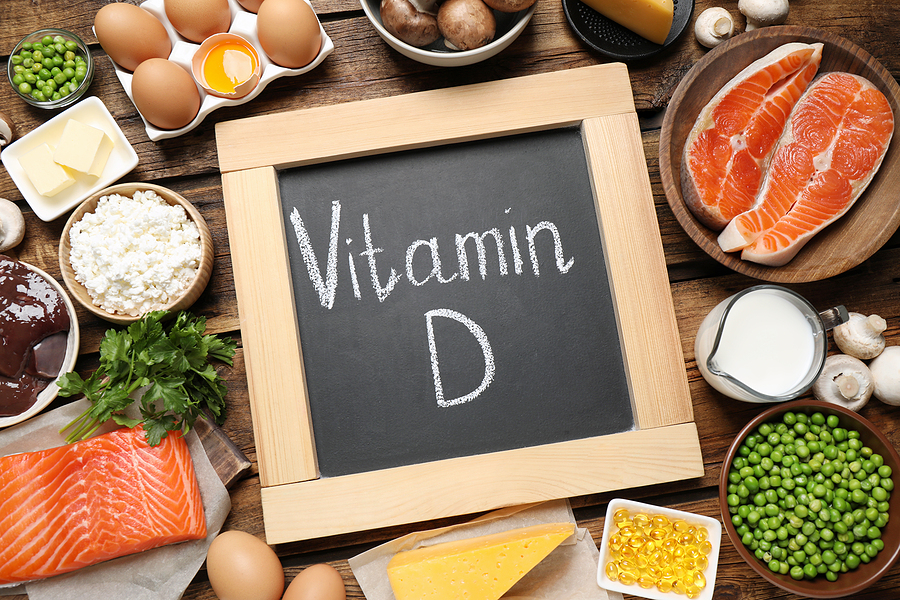
Vitamin D and ADHD: Current Evidence and Gaps

The Question

Do individuals with attention deficit hyperactivity disorder (ADHD) have lower vitamin D status? Does vitamin D supplementation improve ADHD symptoms?

The Recommendation

Children with attention deficit hyperactivity disorder (ADHD) may be more likely to have lower vitamin D levels than children without ADHD. Associations between vitamin D status and ADHD diagnosis have not been reported in adults.

Vitamin D supplements may improve ADHD symptoms in children, especially those with low baseline vitamin D levels. The effects of vitamin D supplements on ADHD symptoms have not been reported in adults.

Evidence

A 2022 narrative review concluded that lower vitamin D levels were associated with ADHD in children. Clinical trials suggest that vitamin D supplements (1000 IU/day to 50,000 IU/week, for a duration of 6 to 12 weeks) can improve ADHD symptoms in children, with one RCT finding that vitamin D supplements were effective in children with low baseline vitamin D levels but not in children with adequate baseline vitamin D levels. Grade of Evidence C  No studies in adults were reported. Grade of Evidence D

*Grade C - The conclusion is supported by limited evidence or expert opinion
*Grade D - A conclusion is either not possible or extremely limited because evidence is unavailable and/or of poor quality and/or is contradictory.

Remarks 

The studies included in the above review defined "low" baseline vitamin D as having insufficient of deficient serum levels. Vitamin D insufficiency was defined as 12 to 20 ng/mL (30 to 50 nmol/L), while vitamin D deficiency was defined as <12 ng/mL (<30 nmol/L).

Unlock the full evidence — read the complete practice question now. 



“Fuel Focus: Smart Nutrition Strategies for Children with ADHD”

Food can’t cure ADHD—but the right eating habits may help support concentration, energy, and overall well-being. Discover practical, evidence-informed nutrition guidance to help your child grow and develop and create healthy routines that work alongside ADHD care, including:

✔ Providing meals and snacks based on a healthy eating plan such as Canada’s Food Guide or the DASH diet

✔ Offering foods rich in omega-3 fats

✔ Offering a variety of foods rich in iron, zinc and magnesium and vitamin D

✔ Keeping a food journal if you suspect a certain food additive may affect your child’s behaviour.


To read more about healthy food options and other considerations, view our handout here.

PEN eNews
PEN: The Global Resource for Nutrition Practice  
May 2026  Volume 16 (5)


A Publication of the PEN® System Global Partners,
a collaborative partnership between International Dietetic Associations.
Learn more about PEN.
Copyright Dietitians of Canada . All Rights Reserved.
Articles in this issue
  • Editor's Introduction
  • Scrolling for Better Health: Can Social Media Improve What We Eat?
  • Vitamin D and ADHD: Current Evidence and Gaps
  • Fuel Focus: Smart Nutrition Strategies for Children with ADHD
  • Popular Tags
    • Advanced Practice
    • Allergens
    • Antioxidants
    • App
    • Arthritis
    • Artificial Sweetener
    • Autism
    • Autoimmune Disease
    • Awards
    • Beliefs
    • Bias
    • Bone Health
    • Breast cancer
    • Breastfeeding
    • Calcium
    • Calculators
    • Cancer
    • Cannabis
    • Cardiovascular
    • Cardiovascular Disease
    • Celiac Disease
    • Children
    • Chronic Disease
    • Conference
    • Controversial Topics
    • Counseling
    • COVID-19
    • Cranberry
    • Credibility
    • Critical Appraisal
    • Cultural Competence
    • Cultural Foods
    • Customize PEN
    • Dairy
    • Deficiency
    • Dementia
    • Diabetes
    • Diet
    • Diet Trend
    • Dietary Approaches
    • Dietary Lifestyle
    • Dietary Restriction
    • Dietetic Advocacy
    • Dietetic Education
    • Dietetic Practice
    • Dietitians
    • Diversity
    • DRI
    • Dysphagia
    • Endocrine and Metabolic
    • Evidence Literacy
    • Evidence Quality
    • Family
    • Fats
    • Fibre
    • Food
    • Food Allergy
    • Food Policies
    • Food Security
    • Gastrointestinal System
    • Gerontology
    • Gluten-free
    • Gout
    • GRADE
    • Guidelines
    • Health Care Costs
    • Health Literacy
    • Health Warning
    • Hepatic Disorders
    • Herbal Supplement
    • Immunity
    • Infants
    • Integrity
    • International
    • Irritable Bowel Syndrome (IBS)
    • Ketogenic Diet
    • Knowledge Creation
    • Knowledge Translations
    • Lactation
    • Leadership
    • Liver
    • Malnutrition
    • Meals
    • Meat
    • Media
    • Microbiome
    • Musculoskeletal
    • Myth Busting
    • Nephrology
    • Networking
    • Nutrigenomics
    • Nutrition
    • Nutrition Communication
    • Nutrition Counselling
    • Nutrition Evidence
    • Nutrition Labelling
    • Nutrition Science
    • Nutrition Supplement
    • Obesity
    • Opinions
    • Organic
    • Paleo Diet
    • Pediatric Health
    • Peer review
    • PEN Achievements
    • PEN Applied
    • PEN Features
    • PEN Partners
    • PEN Skills
    • PEN Uses
    • Plagiarism
    • Potassium
    • Practice
    • Practice Challenges
    • Practice Guideline
    • Pregnancy
    • Probiotics
    • Profile Help
    • Pseudoscience
    • Public Health
    • References
    • Research
    • Research Skills
    • Resources
    • Reviews
    • Schools
    • Social Media
    • Sodium
    • Sports Nutrition
    • Students
    • Sugar
    • Sustainable Diets
    • Sweeteners
    • Tea
    • Thought Leadership
    • Tools
    • Transgender Nutrition
    • Trending Topics
    • Trends
    • Underweight
    • Urinary Tract Infection
    • Urogenital
    • Vegetarian
    • Vitamins & Minerals
    • Weight Management
    View Past PEN® eNewsletter Issues
    PEN eNews is Free! Sign Up Today
    PEN logo
    • About
    • Subscribe
    • eNews Issues
    • twitter
    • facebook
    • linkedin
    • instagram
    • Help
    • Contact Us
    • Helpful Links
    • Privacy Policy
    • License Agreement
    • Disclaimer

    Copyright © Dietitians of Canada 2005 - 2026. All rights reserved. While individual copies of documents may be reproduced for the convenience of the licensed subscriber according to the end user license, distribution to non subscribers or reproduction of multiple copies of PEN content is strictly prohibited without prior written permission. Licensed subscribers may download, duplicate and distribute copies of the PEN-branded client handouts for educational use with their own clients. Institutions must have sufficient numbers of site licenses in order to make multiple copies to meet client needs. The PEN website may also contain information which is copyrighted by others; multiple copies of these documents may not be reproduced without the prior written permission of the copyright holder.

    Copyright © Dietitians of Canada 2005 - 2026. All rights reserved.

    "PEN: PRACTICE-BASED EVIDENCE IN NUTRITION" is a registered trademark of Dietitians of Canada/Les diététistes du Canada

    "PEN (LOGO) The Global Resource for Nutrition Practice" is a registered trademark of Dietitians of Canada/Les diététistes du Canada