IBS Awareness Month!
PEN
® eNews is a monthly e-newsletter shared with the global PEN Community and created to help dietitians position themselves as leaders in evidence-based nutrition practice. In addition, users of the PEN System will find articles on the new evidence, resources and features available and how to maximize one's use of PEN.
April is IBS Awareness Month, and this issue puts dietary fibre front and centre — exploring its nuanced role in IBS management, its impact on glycemic control in type 2 diabetes (T2DM), and the growing "fibre-maxxing" trend. Whether you're counselling a client navigating IBS symptoms or supporting someone with T2DM, we hope this issue gives you the evidence and confidence to lead those conversations. As always, full practice questions and supporting resources are just a click away on the PEN System.

What type of Fibre Can Help and Worsen IBS Symptoms?
The Question
What effect does dietary fibre have on irritable bowel syndrome (IBS) symptoms?The Recommendation
Soluble fibre supplements (e.g. psyllium husk) probably improve irritable bowel syndrome (IBS) symptoms and can be recommended as tolerated for individuals with IBS. Individuals with IBS-C (constipation-predominant IBS) may specifically benefit from the use of soluble fibre. The 2021 British Society of Gastroenterology (BSG) guidelines suggest that soluble fibre supplements be started at a dose of 3 to 4 g/day and increased slowly, as tolerated, to 20 to 30 g/day. Fluid intake should also be increased to optimize fibre’s beneficial effect.
Linseeds may improve IBS symptoms in individuals with IBS-C. If linseeds are included in the diet, the British Dietetic Association (BDA) recommends they be started at a dose of 4 to 12 grams (1 tsp to 1 Tbsp) daily, up to a maximum dose of 24 grams (2 Tbsp) daily, and that individuals concurrently increase their fluid intake (150 mL fluid per Tbsp linseeds). Evidence is too uncertain to draw a conclusion about the effect of other high-fibre foods such as prunes, kiwifruit, inulin or Tritordeum (a high-fibre cereal crop) on IBS symptoms.
Insoluble fibre may worsen IBS symptoms.
Grade of Evidence: B, C and D
*Grade B - The conclusion is supported by fair evidence.
*Grade C - The conclusion is supported by limited evidence or expert opinion
*Grade D - A conclusion is either not possible or extremely limited because evidence is unavailable and/or of poor quality and/or is contradictory.
Remarks
Fibre intake should be monitored and adjusted in individuals with IBS according to its effect on their IBS symptoms. It should be noted that different types of soluble fibre have different effects on the bowel and can be chosen according to an individual’s symptoms and therapeutic goals. Using minimally fermented bulking fibres can help normalize bowel habits; using slowly fermented fibres can support and improve gut microbiota; and using both types of fibre may combine these benefits.
Dietary fibre intake tends to be lower in individuals with IBS than in the general population, but it is not clear whether low fibre intake contributes to IBS symptoms or whether individuals with IBS avoid fibre so as not to aggravate their symptoms. In addition, an individual’s response to fibre may depend on their IBS subtype.
Some medications should not be taken at the same time as fibre supplements such as psyllium, as fibre can interfere with medication absorption.
Unlock the full evidence — read the complete practice question now.
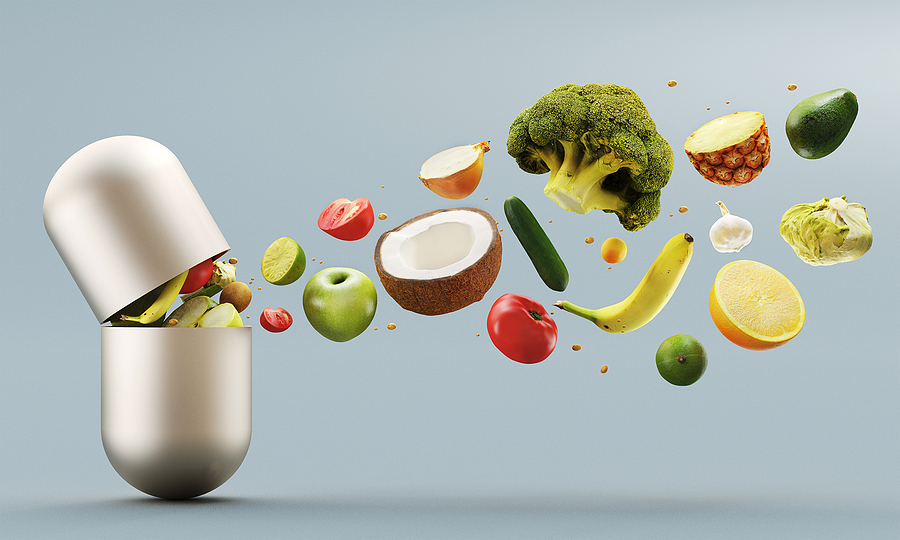
Fibre Power: Boosting Blood Sugar Control in Type 2 Diabetes
How much and what type of fibre can lead to improvements in glycemic control? How do fibre supplements stack up against natural food sources?
The Question
In adults with type 2 diabetes mellitus, does additional dietary fibre improve glycemic control?The Recommendation
Fair evidence suggests an increase of approximately 10 g/day of dietary fibre (food and supplement sources) over approximately eight weeks can improve glycemic control in adults with type 2 diabetes (T2DM) as measured by A1C and fasting blood glucose (FBG). Soluble fibre supplements may be more effective than natural food sources containing soluble and insoluble fibre. Due to inconsistencies between studies, these effects are uncertain. Patient important outcomes and adverse events were not reported.
Grade of Evidence: B
*Grade B - The conclusion is supported by fair evidence.
Remarks
Increased fibre consumption may contribute to adverse abdominal events, such as bloating, gas and discomfort. A slow, gradual increase in fibre consumption should be considered. Currently, there is no tolerable upper limit for dietary fibre.
In the studies included in the systematic review, baseline fibre intake (when reported) ranged from 9 to 34 g/day in intervention and treatment groups. Various sources of supplemented soluble fibre were used in the studies, including psyllium, resistant dextrin, resistant starch, guar gum, inulin and beta-glucan.
See Additional Content:
Does the regular consumption of pulses improve glycemic control?
How do vegetarian and/or vegan diets impact the risk of developing type 2 diabetes and the management of type 2 diabetes?
International Dietary Reference Values Collection.
Unlock the full evidence — read the complete practice question now.
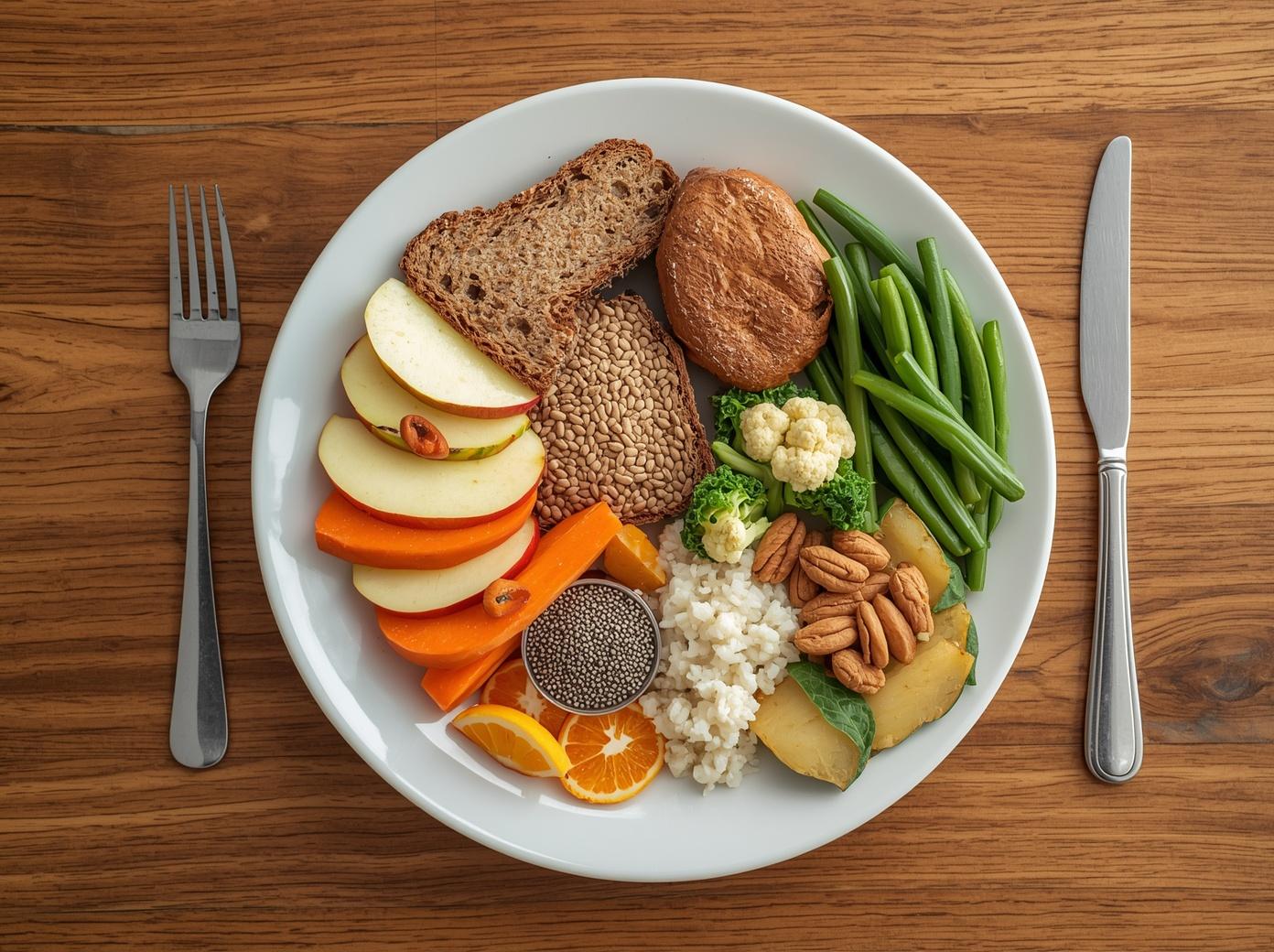
"Fibre-maxxing"
The trend is moving away from protein-only obsession to "fibre-maxxing"—increasing daily fibre intake to support the gut microbiome, satiety, and manage blood sugar.
✔Dietary fibre is the part of plant foods that your body can't digest or absorb. Fibre is found in vegetables and fruits, whole grain foods, dried beans, peas and lentils, and nuts and seeds.
There are two types of fibre:
Insoluble fibre helps promote a healthy digestive system. You get this type of fibre from the skins of vegetables and fruit and the bran portion of whole grains.
Soluble fibre helps to slow the digestion of food. You get this type of fibre from oat bran, barley, psyllium, nuts and seeds, and dried beans and lentils.
✔Most adults should aim for an intake of 25-38g/day dietary fibre.
✔Foods that are labelled ‘sources’, ‘high sources’ and ‘very high sources’ of fibre contain at least 2 g, 4 g and 6 g or more of fibre per serving. Another way is to look for foods that have at least 10% Daily Value (%DV) of fibre.
Get the handout that explains fibre for your clients — access it today!
PEN eNews
April 2026 Volume
16 (4)
A Publication of the PEN® System Global Partners,
a collaborative partnership between International Dietetic Associations.
Learn more about PEN.
Copyright Dietitians of Canada
. All Rights Reserved.