
The Carnivore Diet – All Hype?
Posted:
2026-01-19
What's happening?
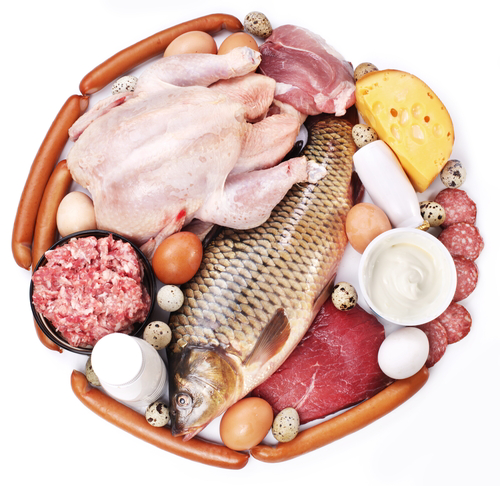
The carnivore diet is back in the news again with claims that because it is what our ancestors ate, so should we (1). The carnivore diet is an animal-focused diet (e.g. meat [beef, pork, poultry, game], seafood, eggs, and some full fat dairy products) that excludes plant foods (1,2). While the diet has been around for some time, the current, more popular, "Carnivore Diet" was promoted by Dr. Shawn Baker in his book, 'The Carnivore Diet' in 2019 (2).
Media influencers claim that the diet results in weight loss, helps with chronic disease management, and leads to better well-being (1,3).
Health risks to consuming a carnivore diet may include an increased risk for heart disease, cancer, digestive problems and muscle cramps (1).
The PEN Team wondered about how the carnivore diet stacks up nutritionally against what we know about healthy diets.
What does the evidence say?
A challenge around the diet is that there are not many studies that have looked specifically at the effects of the carnivore diet on overall health (1,3). In a social media survey of over 2000 people consuming a carnivore diet for more than six months, participants reported the diet resulted in weight loss, helped with chronic medical conditions including hypertension and diabetes, and led to better well-being; cardiovascular markers were variably affected (3). The study limitations included bias in recruitment (through social media channels only), not reporting outcomes from the people who had stopped the diet before six months due to negative health effects, and bias in collecting only self-reported information (i.e. no actual measurements taken for verification), thus drawing into question the credibility of the study.
The PEN team reviewed another article related to opportunities for maximizing the dietary quality of fad diets compared to dietary guidelines (4). The study assessed the Healthy Eating Index (HEI) of various fad diets, including the carnivore diet, and then tried to maximize the nutritional value of a meal plan for each diet while staying within the diet’s restrictions. The authors found that some diets were easier to maximize than others. Notably, the carnivore diet was the worst they studied; the best HEI score the authors could get within its dietary restrictions was 26.7/100.
Assessment of the micronutrient composition of the carnivore diet in 2024 found that the diet provides adequate amounts of some nutrients (e.g. riboflavin, niacin, phosphorus, zinc, vitamins B6, B12 and A, and selenium), but levels of other nutrients were low (e.g. thiamin, magnesium, calcium, and vitamin C, and iron, folate, iodine and potassium in some cases) (5). Dietary fibre was found to be significantly below recommended levels and sodium exceeded normal levels.
Looking at PEN System evidence related to low and very low carbohydrate diets (i.e. diets with some elements of a carnivore diet that are high in protein and low in carbohydrates), proposed benefits have included reduced appetite, reduced insulin excretion and reduced triglyceride levels (6). Potential adverse effects have included elevated LDL-C levels and possible detrimental effects on the microbiome and inflammation. During pregnancy, the risks and benefits of a very low carbohydrate ketogenic diet should be considered on an individual basis (7).
Bottom line
The long-term effects of the carnivore diet have not been adequately studied. Individuals who report ‘feeling better’ on the diet may be attributed to the exclusion of certain foods, some of which may affect them negatively (8). However, unlike elimination diets where foods are gradually reintroduced and offending foods identified, the carnivore diet is a long-term low diversity diet. The exclusion of food groups for a long period of time can result in limited intake of some essential vitamins, minerals and dietary fibre (5). The diet can lead to a high saturated fat intake and possibly high sodium if many processed meats are consumed (5). This prevents recommending the carnivore diet to the general population. In addition, related to the practical application of the diet, it is expensive and long-term sustainability may be challenging for many people (3).
Oversimplifying various population health profiles, such as the Maasai people as justification for the health benefits of the carniovre diet, misses the need for assessment of genetic, environmental, and lifestyle factors that are unique to each specific population and contribute to health outcomes (9).
Dietitians can continue to take a personalized approach to client care that may include higher protein and lower carbohydrate levels, but not at such an extreme level as long-term adherence to a carnivore diet. This helps to ensure nutritional adequacy that is tailored to meet client’s health goals.
See Additional Content:
Diet Composition - Ketogenic Diet Knowledge Pathway
Diet Composition - Low Carbohydrate Knowledge Pathway
References
Cleveland Clinic. Is the carnivore diet a healthy way to eat? June 5, 2025. Available from: https://health.clevelandclinic.org/the-carnivore-diet
Baker S. Carnivore diet. Victory Belt Publishing. 2019. ISBN 9781628603507
Lennerz BS, Mey JT, Henn OH, Ludwig DS. Behavioral Characteristics and Self-Reported Health Status among 2029 Adults Consuming a "Carnivore Diet". Curr Dev Nutr. 2021 Nov 2;5(12):nzab133. doi: 10.1093/cdn/nzab133. PMID: 34934897; PMCID: PMC8684475. Available from: https://pubmed.ncbi.nlm.nih.gov/34934897/
Phelan JM, Joyce JM, Bode K, Rosenkranz SK. Opportunities for Maximizing the Dietary Quality of Fad Diets. Nutrients. 2023 Oct 25;15(21):4526. doi: 10.3390/nu15214526. PMID: 37960179; PMCID: PMC10649867. Abstract available from: https://pubmed.ncbi.nlm.nih.gov/37960179/
Goedeke S, Murphy T, Rush A, Zinn C. Assessing the Nutrient Composition of a Carnivore Diet: A Case Study Model. Nutrients. 2024 Dec 31;17(1):140. doi: 10.3390/nu17010140. PMID: 39796574; PMCID: PMC11722875. Abstract available from: https://pubmed.ncbi.nlm.nih.gov/39796574/
Dietitians of Canada. PEN: What are the effects of low carbohydrate diets (LCDs), including very low carbohydrate ketogenic diets (VLCD, <50g/day), on body weight and cardiovascular disease risk factors among healthy adults with higher weights? Last Updated: 2024-11-06. Available from: https://www.pennutrition.com/KnowledgePathway.aspx?kpid=25499&pqcatid=145&pqid=25889
Dietitians of Canada. PEN: What is the clinical evidence describing the safety of a very low carbohydrate (20-50 g/day) ketogenic diet during pregnancy? Last Updated: 2024-11-06. Available from: https://www.pennutrition.com/KnowledgePathway.aspx?kpid=3043&pqcatid=145&pqid=27287
May, N. A meaty topic: what is the carnivore diet and why do so many influencers seem to swear by it. The Guardian. Sept. 2, 2025. Available from: https://www.theguardian.com/commentisfree/2025/sep/03/what-is-carnivore-diet-meat-benefits-science-does-work-why-so-many-influencers
Goldman DM, Waterfall TJ, Nagra M. Traditional Maasai Dietary Practices and Their Inapplicability to Modern Carnivore Diets: A Narrative Review. Cureus. 2025 Feb 3;17(2):e78448. doi: 10.7759/cureus.78448. PMID: 40046365; PMCID: PMC11882341. Abstract available from: https://pubmed.ncbi.nlm.nih.gov/40046365/
